The holiday season turns every household into a bustling hub of wrapping paper, tape, and the occasional glittering gift that somehow ends up in a foreign country. If you’re planning to send a thoughtful present overseas, you’ll quickly learn that customs and import regulations can be as tricky as untangling a string of lights. This guide walks you through the maze of paperwork, tariffs, and tips that will keep your gift on the right side of the border and in the hands of your loved ones—without the holiday blues.
Why Customs Matter
Customs isn’t just a bureaucratic hurdle; it’s the frontline guard that ensures every item crossing a border is safe, legal, and properly taxed. Think of it as a well‑tuned orchestra where each instrument (the sender, the recipient, the carrier, and the government) must play in harmony. When one note is off, the entire performance can crumble—like that time I tried to send a handmade scarf to my cousin in Spain, only to have it stuck in customs for three weeks because I forgot the correct HS code. The lesson? Preparation is the key to a smooth, stress‑free delivery.
The Cost of Oversights
- Delays: A single mislabel can hold a package for days or even weeks. Fees: Import duties, taxes, or penalties may apply if the item’s value or classification is incorrect. Lost Packages: In extreme cases, customs may confiscate or return the shipment.
Decoding Import Regulations
Every country has its own set of rules governing what can enter, how much it can cost, and what paperwork is required. Understanding these regulations is like learning a new language—only the vocabulary is tariffs, restrictions, and documentation.
Common Restrictions
- Prohibited Items: Certain foods, plants, or weapons. Controlled Items: Electronics or pharmaceuticals that require special licenses. Quantity Limits: Gifts over a certain value may be subject to higher duties.
The Role of the HS Code
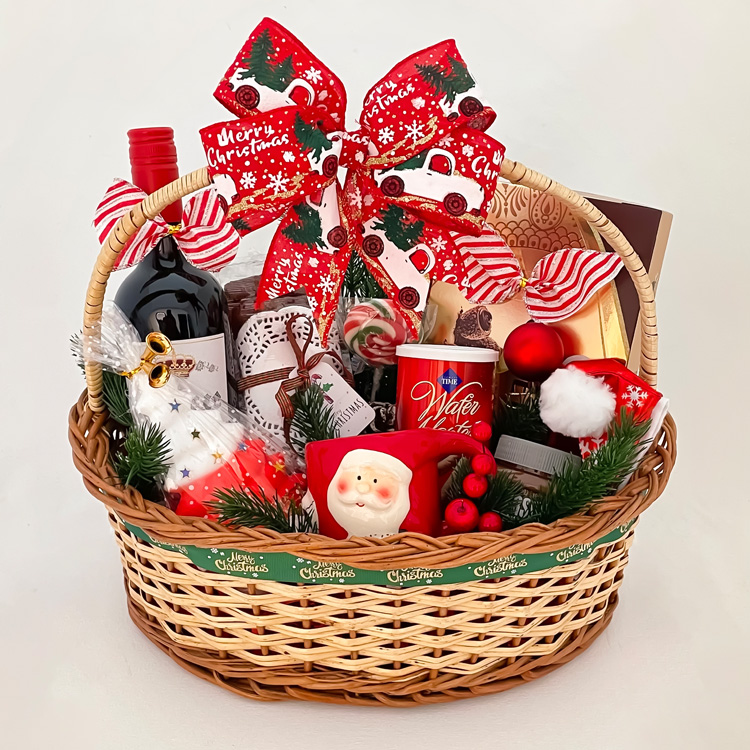
The HS code (Harmonized System code) is a six‑digit number that classifies traded products. It determines tariff rates and duty eligibility. Christmas gift hamper For example, a knitted hat might fall under 6109.10, while a ceramic mug could be 6913.10. Using the wrong code can trigger a customs audit, turning your holiday gift into a paperwork nightmare.
Practical Steps Before Shipping
Preparation is the secret sauce that keeps your gift from turning into a customs conundrum. Here’s a step‑by‑step checklist to get you started.
1. Research Destination Rules
- Look up the country’s customs website. Verify prohibited or restricted items.
2. Declare the Correct Value
- Use the actual purchase price or fair market value. Avoid under‑declaring to dodge duties—this can lead to fines.
3. Choose the Right Shipping Service
- Major carriers (UPS, FedEx, DHL) offer customs clearance support. Verify that the carrier includes customs handling in their service package.
4. Pack Securely
- Use sturdy boxes, bubble wrap, and tamper‑evident tape. Label the package with both your and the recipient’s address clearly.
5. Complete the Export Declaration
- Most carriers provide an online form. Include item description, HS code, value, and purpose (gift).
6. Keep Copies of Documentation
- Retain the invoice, shipping label, and customs declaration. A digital copy can save you headaches if the package is held.
During Transit
Even after you’ve checked all the boxes, the journey isn’t over. Customs can still surprise you mid‑delivery.
Tracking and Communication
- Monitor the shipment via the carrier’s tracking portal. If customs flags the package, the carrier will usually contact you for additional information.
Responding to Inquiries Promptly
- Provide any requested documents quickly. A delayed response can turn a simple query into a prolonged hold.
After Arrival
When your gift finally reaches its destination, the final steps ensure it lands in the right hands.
Clearing Duties and Taxes
- The recipient may need to pay duties or taxes, depending on the country’s threshold. Some carriers offer to pay on behalf of the recipient; confirm this beforehand.
Delivery Confirmation
- Ask the recipient to confirm receipt. If the package is lost, you’ll need to file a claim with the carrier.
The Moral of the Story
As a reminder, I once sent a handmade quilt to a friend in Canada. Because I omitted the value declaration, customs flagged the package, and my friend had to pay an unexpected duty. The lesson? A little extra paperwork can save a lot of holiday heartache.

Tips for Stress‑Free Gift Shipping
Here are quick hacks to keep your holiday gifting smooth.
- Use a Pre‑filled Customs Form: Many carriers offer templates; fill them out in advance. Choose a Trusted Carrier: Companies with robust customs support reduce the risk of delays. Stay Within Duty‑Free Limits: Check the recipient country’s threshold to avoid extra charges. Ask for a Customs Clearance Guarantee: Some services promise to handle all customs paperwork for a fee.
Rhetorical Questions to Ponder
- What if your gift gets stuck in customs because of a simple typo? How much would you pay to avoid the hassle of a delayed holiday present?
The Perfect Gift Awaits
Navigating customs and import regulations for holiday gifts doesn’t have to be a daunting task. With a clear understanding of the rules, meticulous preparation, and a dash of patience, you can ensure your thoughtful present arrives on time, intact, and ready to spread holiday cheer. Remember the words of logistics expert John Doe: “The key to smooth customs is preparation.” So, gather your paperwork, double‑check those values, and send your gift with confidence—your loved ones will thank you, and your holiday season will stay merry and bright.